

Human Rights and Development
Overview
The foundation of human rights blooms from a societal agreement on our morals and ethics
Dr. Sfeir-Younis’s revolutionary integration of human rights into development economics represents one of the most significant paradigm shifts in international development policy. Beginning in 1980 with work on involuntary resettlement, he became the first economist to systematically link World Bank lending with Economic, Social, and Cultural Rights (ESCR), fundamentally transforming how development is understood—not as GDP growth, but as expansion of human capabilities, dignity, and freedoms.
His 2001 landmark report to the UN on implementing the International Covenant on Economic, Social and Cultural Rights established frameworks that redefined poverty not merely as lack of income, but as violation of fundamental human rights. He demonstrated that development without rights-based approaches perpetuates inequality, erodes social cohesion, and ultimately fails to create sustainable prosperity.
Through decades of scholarship, policy work, and advocacy—from World Bank boardrooms to indigenous forums—Dr. Sfeir-Younis has articulated a comprehensive vision of “Empowered Development” where human rights are not afterthoughts but foundational pillars. His work spans the right to food, housing, health, education, cultural identity, and participation in decision-making, arguing that true development must serve human dignity before economic metrics.
Key Publications & Teachings
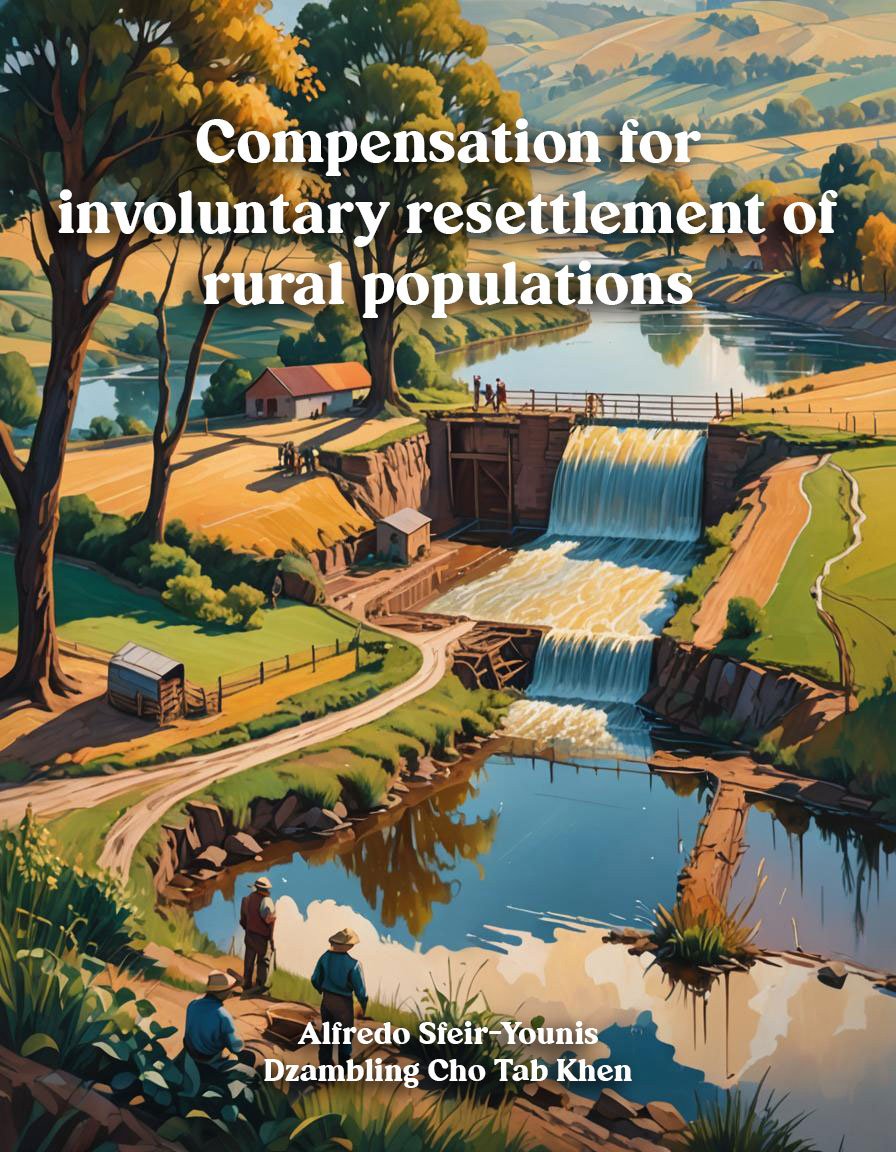
- Compensation for Involuntary Resettlement of Rural Populations (1980, World Bank) – Establishing rights frameworks for communities displaced by development projects
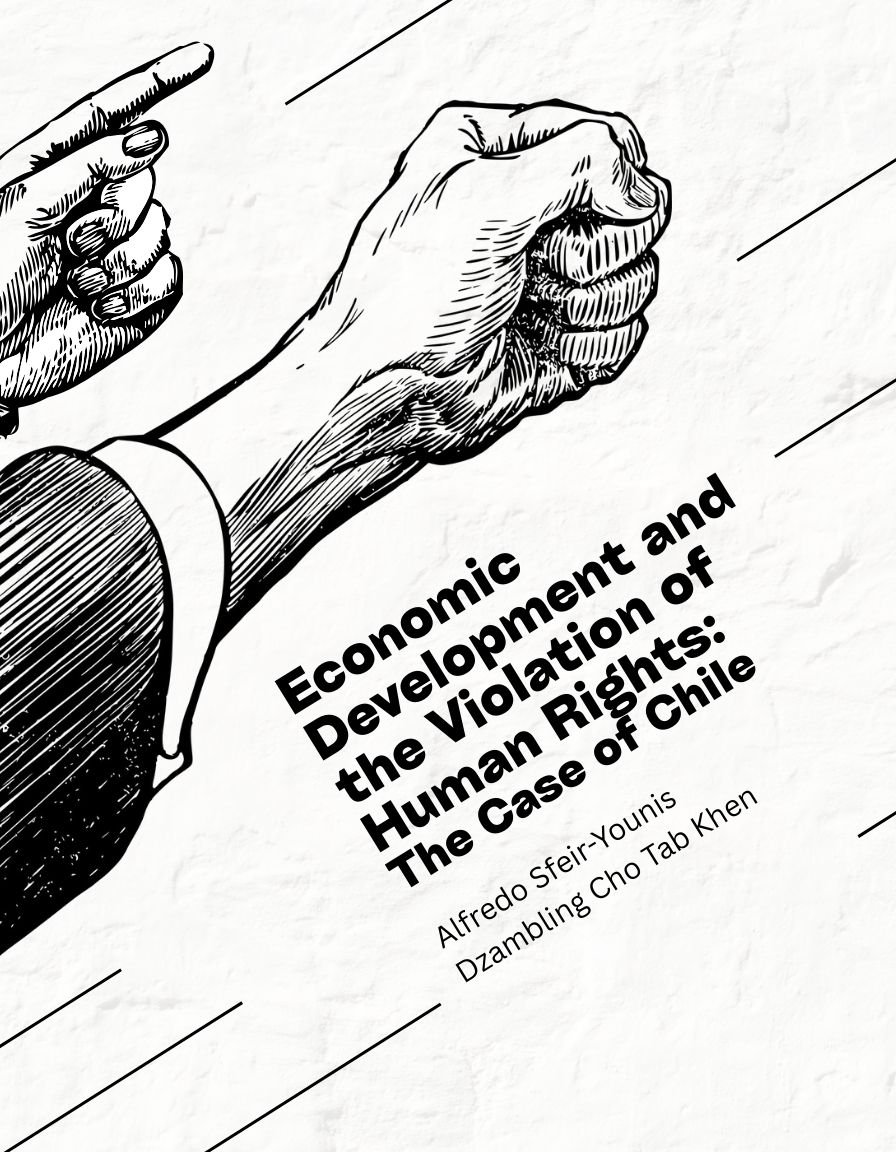
- Economic Development and the Violation of Human Rights: The Case of Chile (1999) – Analyzing how Chile’s economic model systematically violated social rights
- Substantive Issues Arising in the Implementation of the International Covenant on Economic, Social and Cultural Rights (2001, UN) – Landmark report linking international human rights law to development practice
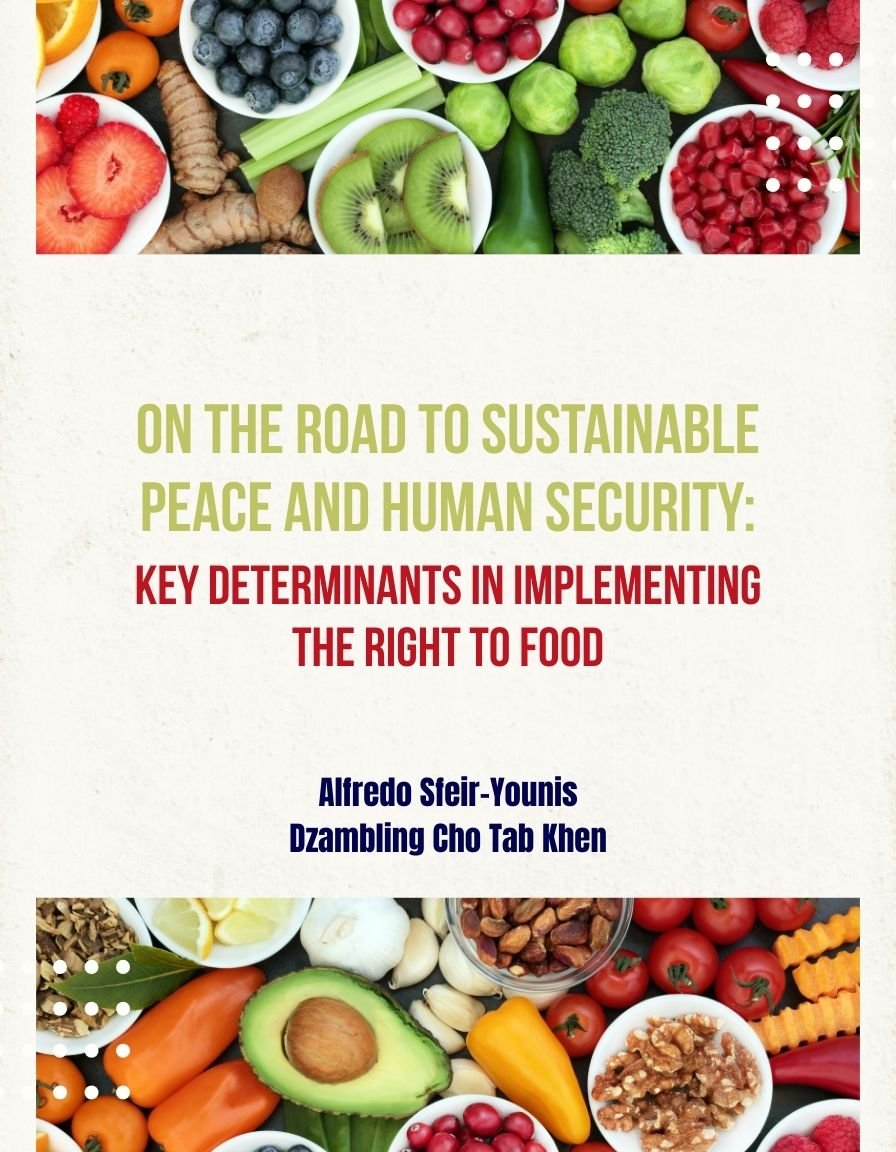
- On the Road to Sustainable Peace and Human Security: Key Determinants in Implementing the Right to Food (2002) – Food security as foundational human right and peace-building tool
- Violation of Human Rights is an Important Determinant of Poverty: An Inability to Accumulate (2004) – Demonstrating that rights violations prevent wealth accumulation and perpetuate poverty
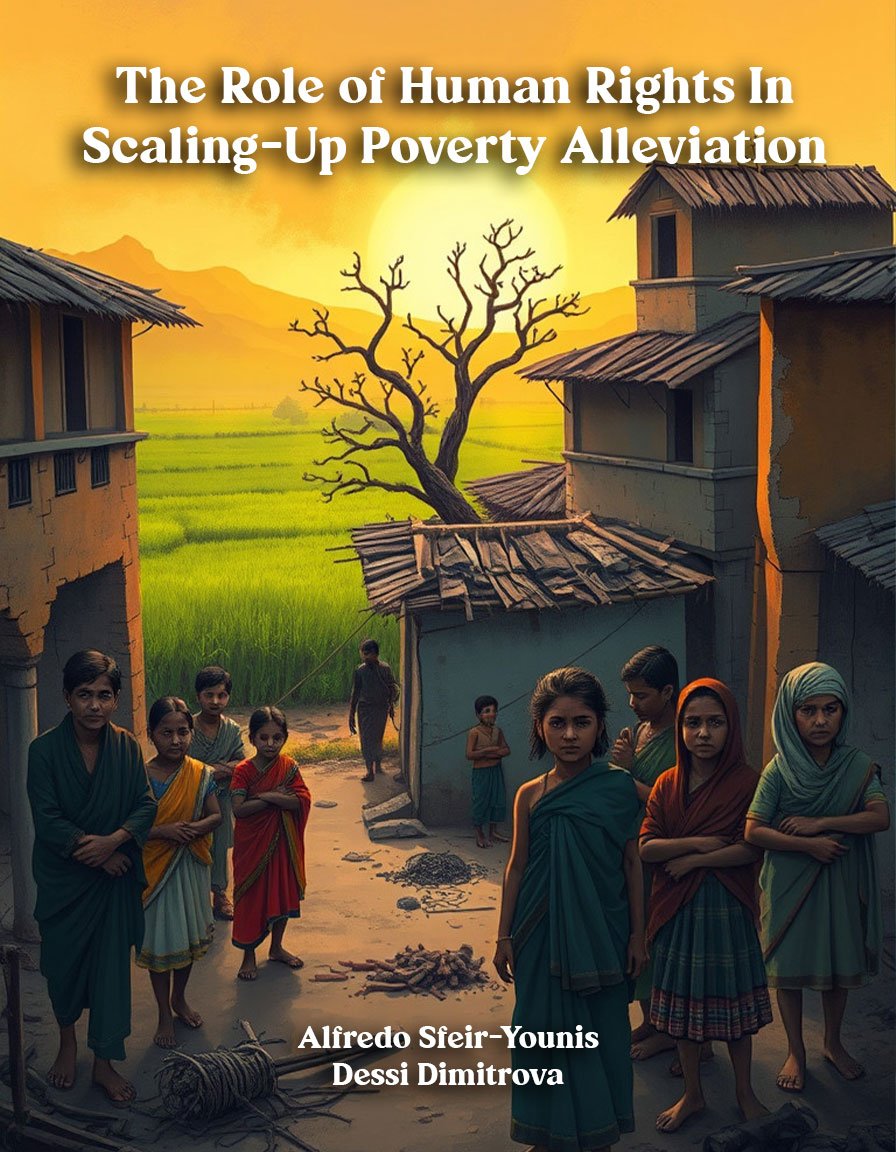
- The Role of Human Rights in Scaling-Up Poverty Alleviation (2004) – Rights-based approaches to poverty reduction at scale
- Contrato Social y Desarrollo: Por Sociedades Más Equitativas y Cohesionadas (2005) – Social contract and development: Towards more equitable and cohesive societies
- A New Paradigm for Human Transformation: Respect for Nature, Solidarity and Shared Responsibility (2006) – Integrating environmental and human rights
- Economía de Mercado y Derechos Humanos (2006) – Market economics and human rights: Exposing contradictions
- Pilares de Una Nueva Política Social para América Latina: Hacia un Desarrollo Empoderado (2008) – Pillars of new social policy for Latin America: Towards empowered development
- Human Rights-based Sustainable Development: Essential Frameworks for an Integrated Approach (2013) – Comprehensive methodology integrating rights into all development sectors
- Derechos Humanos como otra forma de capital (2016) – Human rights as another form of capital—economic reconceptualization
- Human Rights Must Be a Consideration for Economic Development Organizations (2020) – Direct appeal to World Bank, IMF, and development banks

Evolution of This Work

Books
Columns
Podcasts
Planet Tara TV
Continue your journey through Dr. Sfeir-Younis’s work