
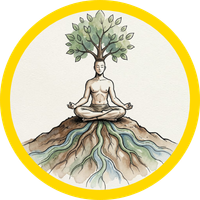
Foundations of Planetary Spirituality
Overview
The future of humanity rests on our collective spirituality
Dr. Sfeir-Younis’s work in planetary spirituality represents the culmination of a lifetime integrating Buddhist philosophy, indigenous wisdom, and systems transformation. Beginning in 1999 with his recognition that the United Nations required spiritual foundations to achieve its mission, he has pioneered frameworks showing that global challenges—from climate crisis to economic injustice—cannot be solved through policy alone but require fundamental shifts in human consciousness.
Through the founding of the Zambuling Institute, the Latin American Network of Socially Engaged Buddhism (LANSEB), and decades of teaching, Dr. Sfeir-Younis has trained thousands in what he calls “planetary consciousness”—the understanding that all beings and systems are interconnected, that healing ourselves and healing the planet are inseparable, and that inner transformation is prerequisite for outer change.
His prolific writings—over 100 works on spirituality since 1999—articulate core principles: metta (loving-kindness) as political force, mindfulness as development practice, compassion as economic foundation, and the Buddha’s teachings as blueprint for contemporary social justice. His 2024-2025 works on Buddhist Social Doctrine represent systematic efforts to translate ancient wisdom into actionable frameworks for planetary healing and collective human transformation.

Key Publications & Teachings
- The Spiritual Work of the United Nations: Building a Planetary Consciousness (1999) – Foundational text arguing UN must embrace spiritual dimension to fulfill its mission
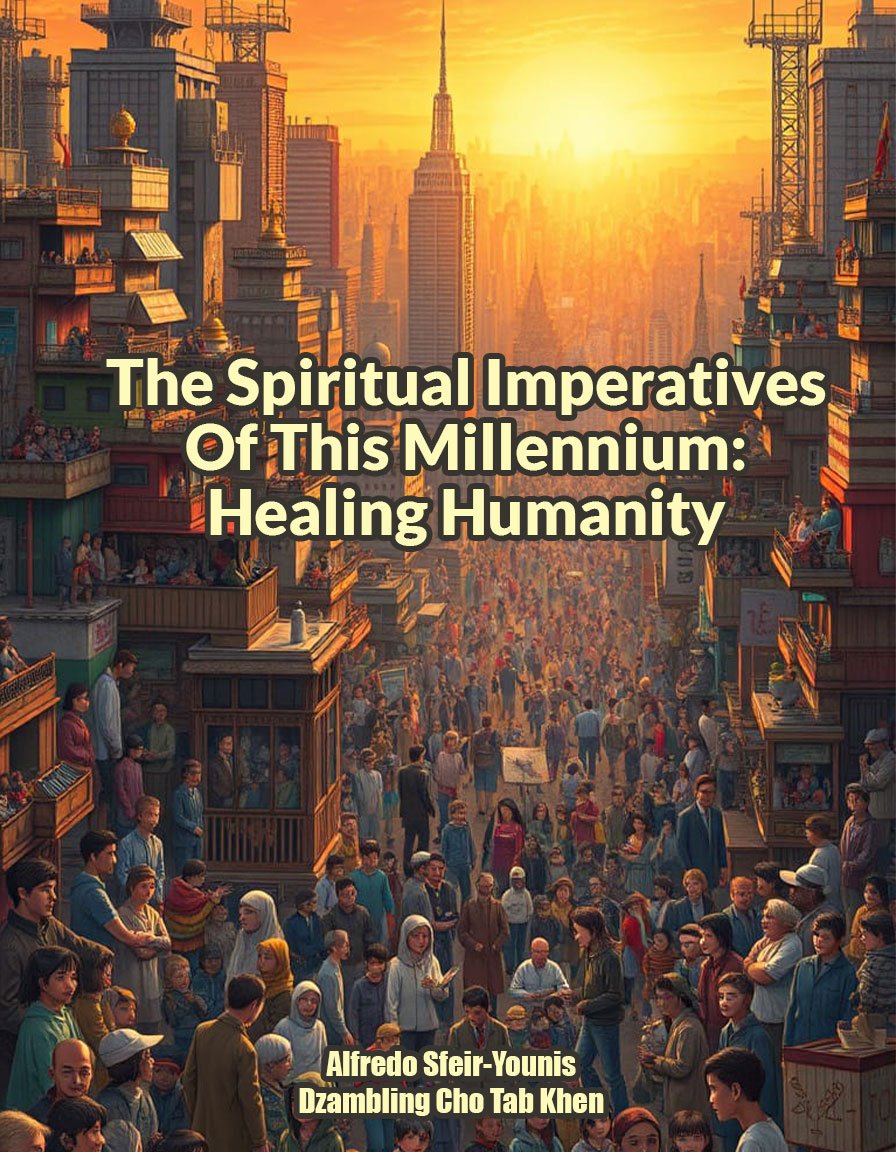
- The Spiritual Imperatives of This Millennium: Healing Humanity (2004) – Core spiritual practices required for global transformation
- Another Meaning of Enlightenment (2006) – Reframing enlightenment as collective awakening, not individual escape
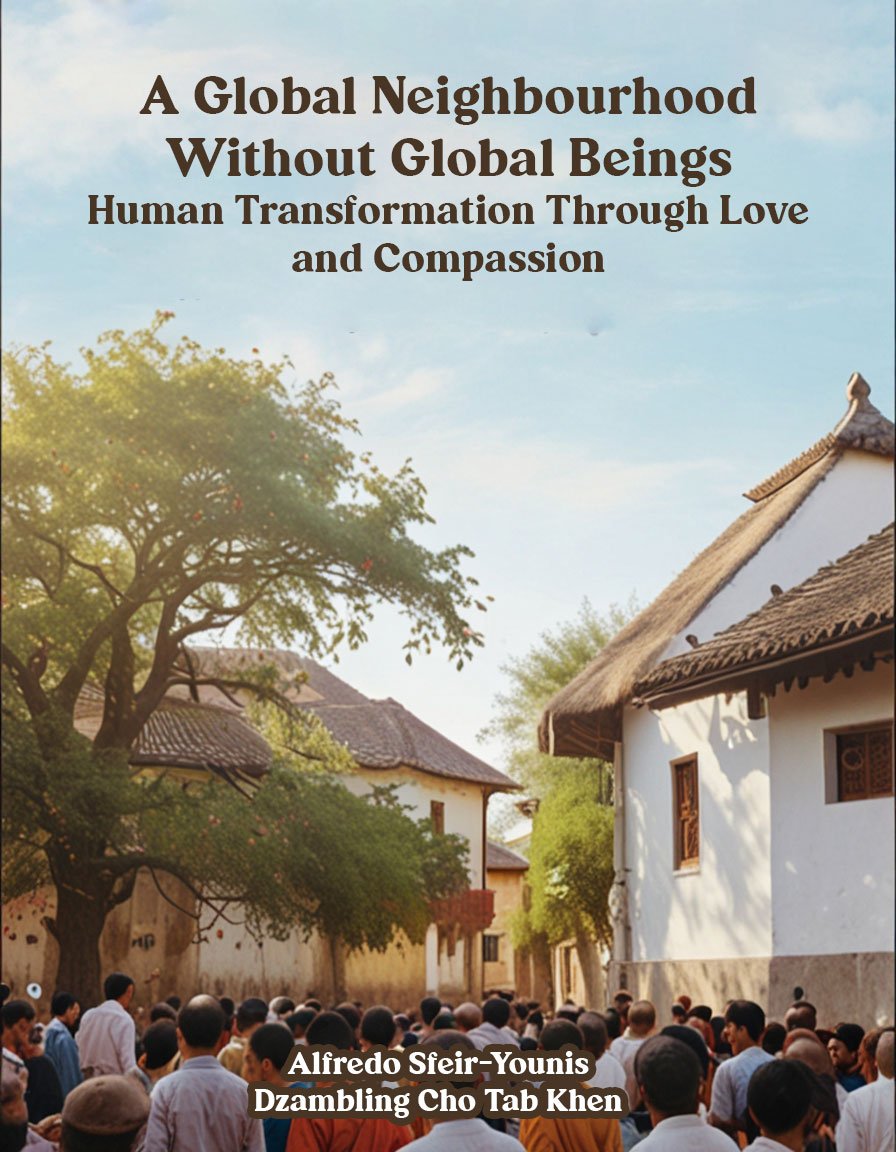
- A Global Neighbourhood Without Global Beings: Human Transformation Through Love and Compassion (2006) – Critique of globalization without consciousness development
- The Four Seeds For Better Health, World Peace and Bountiful Human Transformation (2006) – Practical spiritual foundations for planetary healing
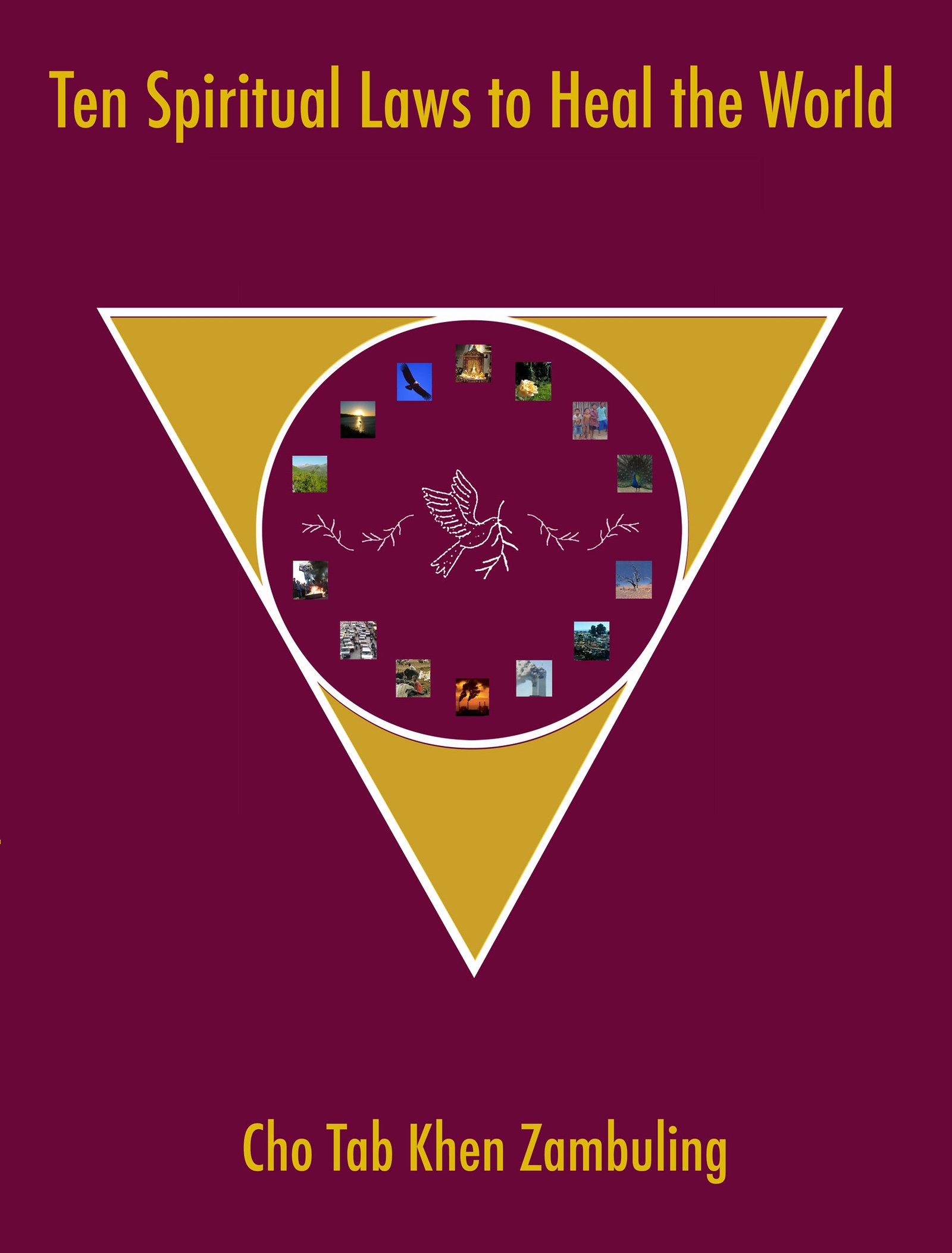
- Ten Spiritual Laws to Heal The World (2007) – Systematic framework for applying spiritual principles to global crises
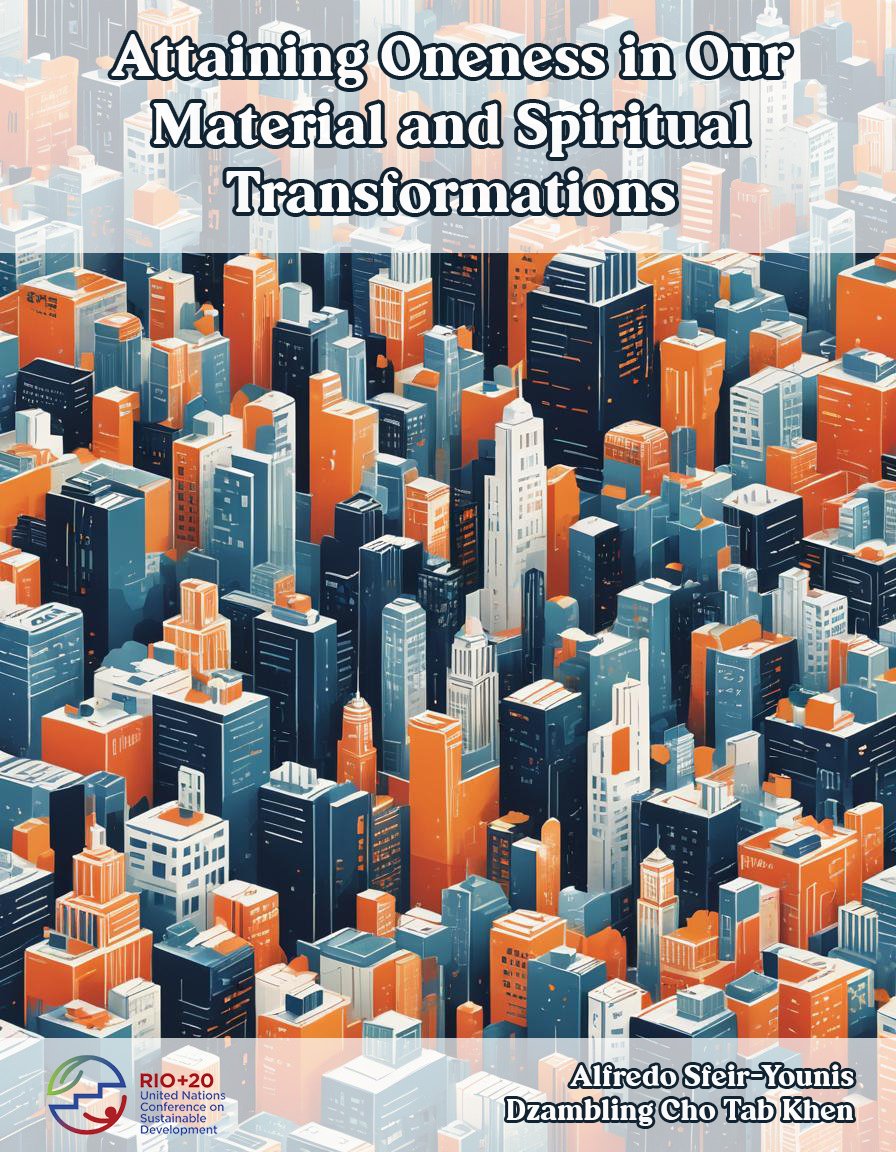
- Attaining Oneness in Our Material and Spiritual Transformations (2012) – Integrating inner and outer work as unified path
- Be Now / Change Now (2015) – Urgency of present-moment consciousness for transformation
- Rising Earth Consciousness (2015, Kosmos Journal) – Planetary awakening as evolutionary necessity
- The 200% Society (2017) – Vision for society giving 100% to material wellbeing AND 100% to spiritual development
- Healing Our Planet, Healing Ourselves: Towards Collective Human Transformation (2020) – Comprehensive integration of personal and planetary healing
- The Yoga of Mutual Healing the Planet: Neljor Sa (Earth Yoga) (2020) – Foundational practice of Zambuling Institute
- Hacia La Construcción De Una Humanidad Planetaria (2021) – Towards construction of planetary humanity
- Metta Consciousness: The Power of Transmission and Human Transformation (2022) – Loving-kindness as transformative force
- Universal Principles That Will Guide Humanity In This Millennium (2023) – Comprehensive spiritual framework for 21st century
- Principles and Foundations of a Buddhist Social Doctrine (2024) – Systematic articulation of socially engaged Buddhism
- Karuna: A Buddhist Social Doctrine for this New Millennium (2025) – Compassion as foundation for social policy
- The Grand Law of Healing the Planet: A Buddhist View (2025) – Buddhist ecology and planetary stewardship
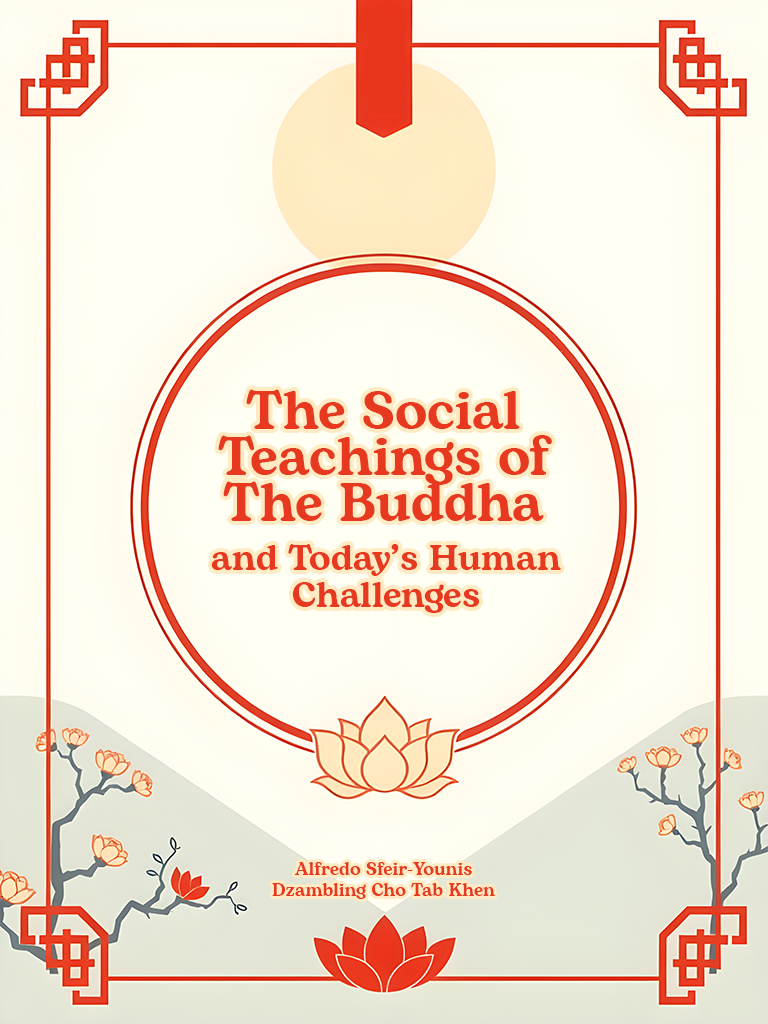
- The Social Teachings of the Buddha and Today’s Human Challenges (2025) – Applying Buddha’s wisdom to contemporary crises
- A Buddhist Path to Transforming Systems, Not Just Minds (2026) – Moving beyond individual practice to systemic transformation
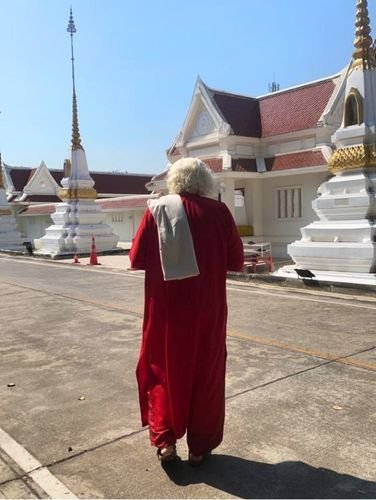
Evolution of This Work
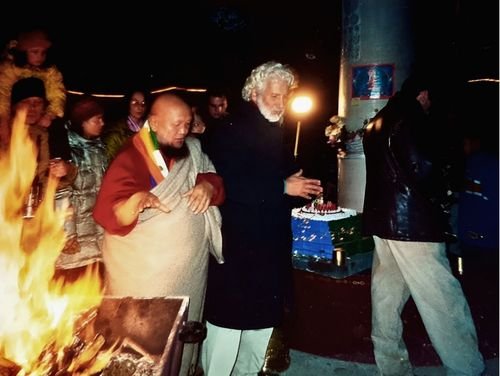



Books
Columns
Interviews
News
Podcasts
Planet Tara TV
Continue your journey through Dr. Sfeir-Younis’s work