

Competitiveness, Technology and Investment
Overview
The foundation of competitiveness is the human mind; the source of technology is the human mind, and the most important investment is that in our human mind
Dr. Sfeir-Younis’s work on competitiveness, technology, and investment challenges the conventional economic wisdom that prioritizes market efficiency above all else. Beginning with his 1998 analysis of Latin America’s development challenges, he argued that true competitiveness cannot be achieved through economic metrics alone—it requires social cohesion, environmental sustainability, and equitable distribution of benefits.
His critique of Chile’s development model is particularly sharp: “Economic competitiveness without social competitiveness creates a dubious future.” He demonstrated that attracting high-tech foreign investment without addressing social inequality, labor rights, and ecological protection ultimately undermines long-term prosperity. Technology transfer and capital flows become extractive rather than transformative when divorced from human development.
In his 2006 series of columns, Dr. Sfeir-Younis exposed how Chile’s approach to technology investment was fundamentally flawed—prioritizing quantity over quality, short-term gains over sustainable innovation, and corporate interests over community benefit. His 2021 feminist critique extended this analysis further, showing that using masculine paradigms to measure female entrepreneurship perpetuates systemic inequity in investment and innovation.

Key Publications & Teachings
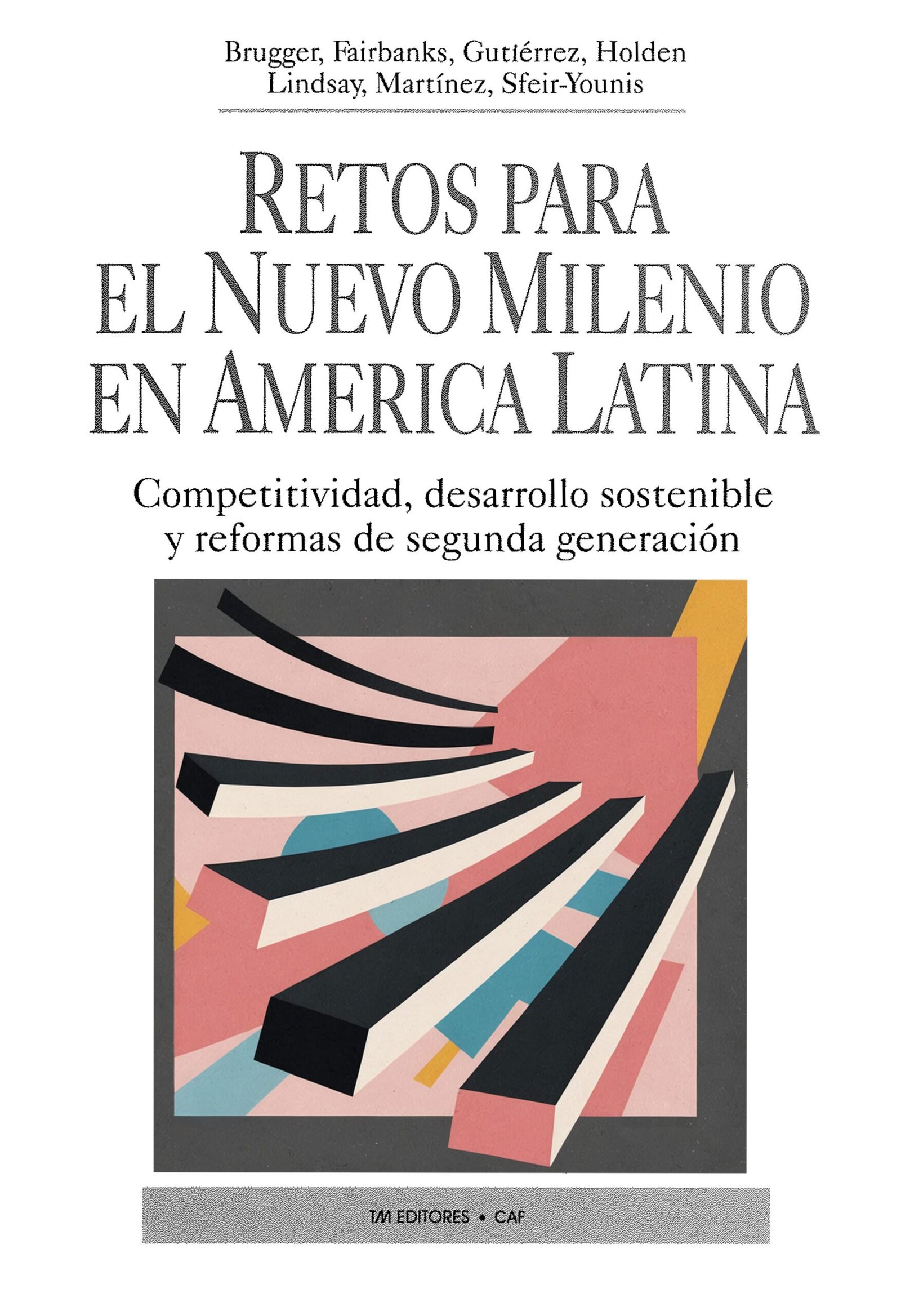
- Retos para el nuevo milenio en América Latina: Desarrollo sostenible, competitividad y reformas de segunda generación (1998) – Challenges for the new millennium in Latin America: Sustainable development, competitiveness, and second-generation reforms
- Competitividad Económica Sin Competitividad Social: Un Dudoso Futuro para Chile (2006) – Economic competitiveness without social competitiveness: A dubious future for Chile—exposing the contradiction at heart of neoliberal model
- Inversión Tecnológica en Chile: El Enfoque Está Equivocado (2006) – Technology investment in Chile: The approach is wrong—critique of prioritizing foreign capital over domestic innovation and social benefit
- Incentivos Para la Inversión Extranjera de Alta Tecnología (2006) – Incentives for high-tech foreign investment—analysis of how tax breaks and deregulation benefit corporations while communities remain marginalized
- Un Dudoso Futuro para Chile (2006) – A dubious future for Chile—comprehensive warning about unsustainable development trajectory prioritizing GDP over human wellbeing
- Si usamos el paradigma masculino para medir el emprendimiento femenino, estamos perdidos (2021) – If we use the masculine paradigm to measure female entrepreneurship, we are lost—feminist critique of investment and innovation metrics

Evolution of This Work








Books
Columns
Continue your journey through Dr. Sfeir-Younis’s work